


With the backing of the United States, Israel launched a coordinated assault on Iranian territory, striking residential neighborhoods in Tehran, military facilities, and, most provocatively, nuclear sites in Natanz and Isfahan.
The attack marked the beginning of a 12-day war that would alter regional geopolitics and leave both aggressors, Israel and the US, scrambling to reframe the narrative of a campaign that failed to meet its strategic goals.
The first day was particularly deadly. Senior military commanders and nuclear scientists were assassinated, and the country had no choice but to react while it was on the verge of entering the sixth round of nuclear talks with the US.
The pretense of diplomacy was shattered by bombs.
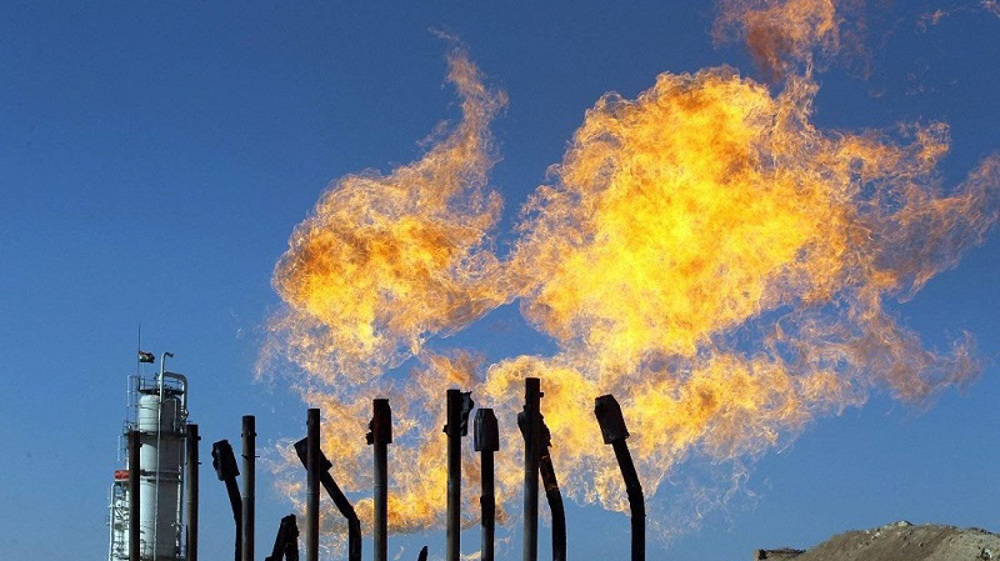
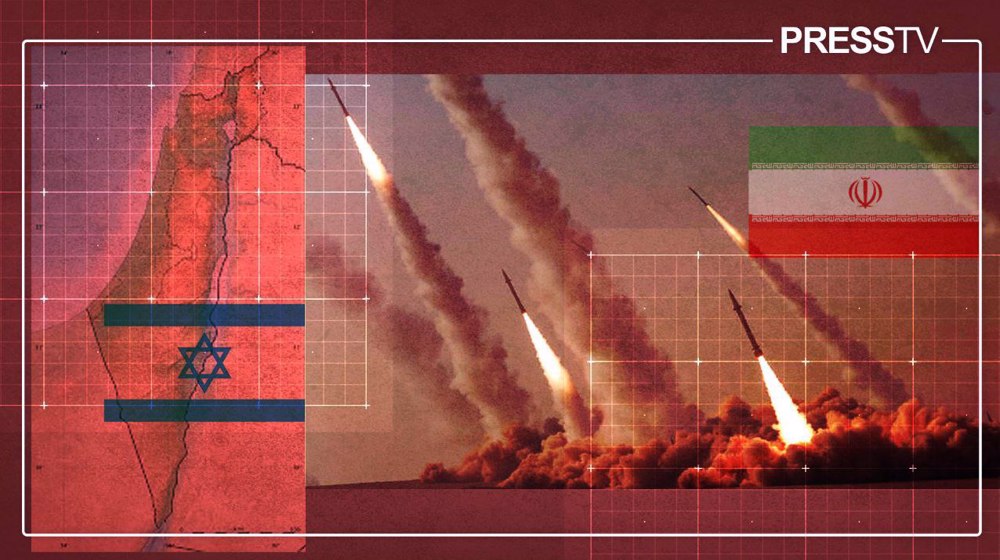
By nightfall on June 13, Iran responded with waves of drone and missile strikes targeting Israeli military and intelligence sites deep inside the occupied territories.
While American officials initially distanced themselves, claiming Israel had acted independently, their true role became clear when on June 22 the US directly struck nuclear facilities in Natanz, Isfahan and Fordow, deploying bunker busting munitions designed to target Iran's most secure underground enrichment sites.
Washington framed this as an effort to prevent Iran from acquiring nuclear weapons, a claim hollowed by their own intelligence bindings and IAEA reports just weeks earlier confirming Iran had no current weaponization plans.

In reality, the dual assault by Israel and the US appear to have a different goal; "regime change."
Western media floated the son of the deposed Shah as a government in waiting, complete with a televised day after plan.
The assassination of key IRGC commanders and pressure on military officers to defect revealed the extent of this ambition.
However, instead of toppling the Islamic Republic, these efforts sparked a wave of national unity across Iran.
Civilians rallied behind the Leader of the Islamic Revolution, not out of blind loyalty, but because they viewed the attacks as targeting Iran itself, not just its leadership.
The scope of Iran's retaliation was devastating and unprecedented.
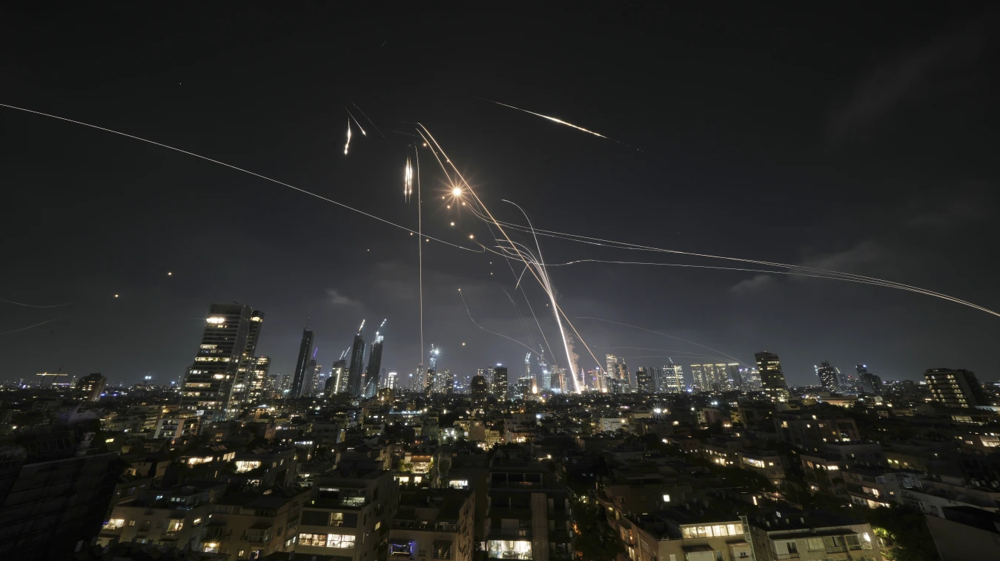
For 12 continuous days, cities such as Tel Aviv, Haifa and Beer Sheva were hit repeatedly by Iran. The famed Iron Dome was overwhelmed.
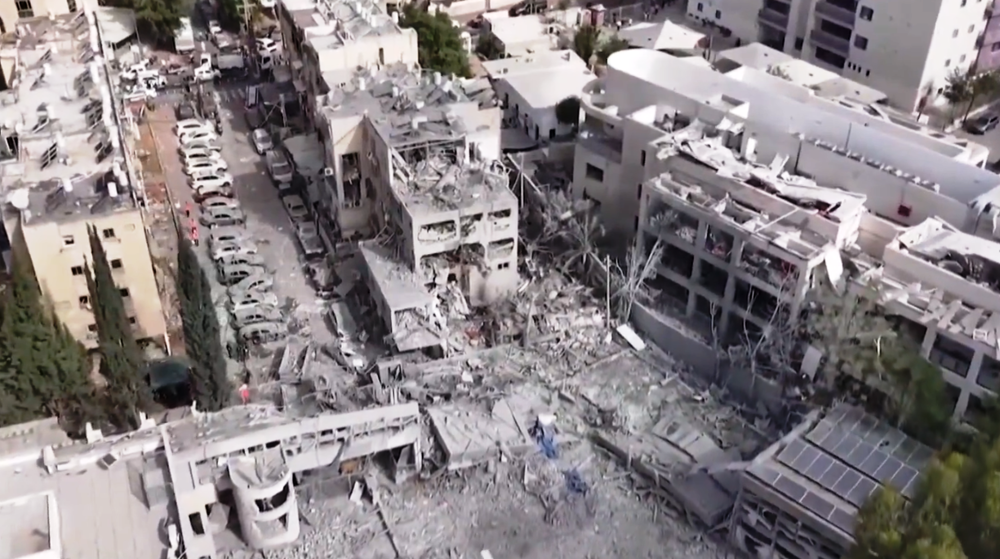
According to Hebrew media, the financial and infrastructural damage sustained in this short span matched 20 months of war in Gaza, Syria and Lebanon.
A third of Tel Aviv was reportedly in ruins and, for the first time in decades, Israeli settlers fled en masse, smuggling themselves out through Cyprus and Egypt as the regime restricted departures,
Iran suffered human losses, at least 1,060, including civilians, military personnel and nuclear scientists, but, paradoxically, gained political capital.
Its portrayal as a victim of premeditated aggression, particularly as it was preparing for diplomacy, resonated internationally.
Russia openly criticized the IAEA bias and the reckless nature of Israeli strikes.
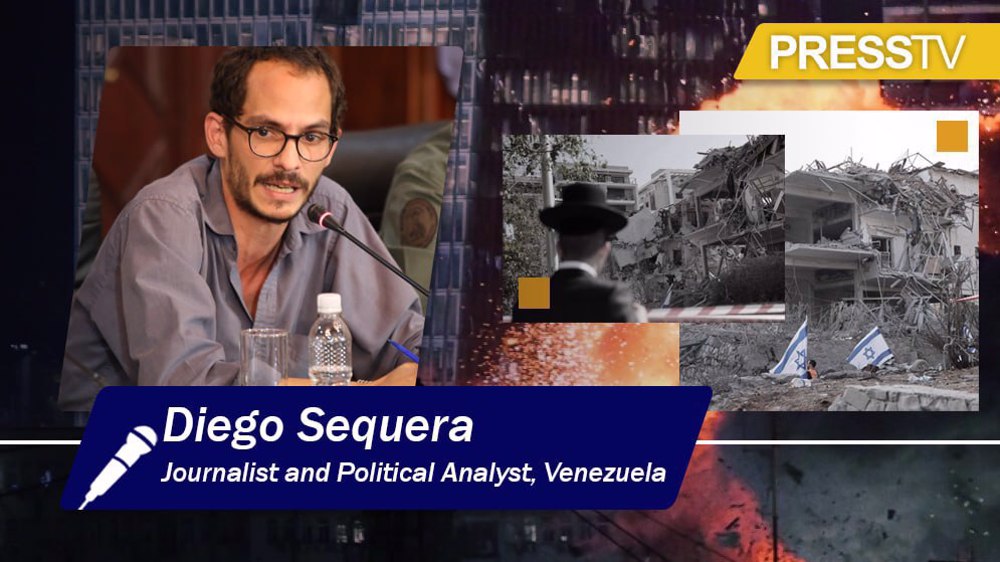
Foreign Minister Lavrov underscored how no evidence existed that Iran was preparing to attack Israel, contrary to the narratives pushed in Western capitals.
In response to what it deemed as the IAEA complicity, the Iranian Parliament voted to suspend cooperation with the nuclear watchdog.
Inspectors would only be allowed into Iran if the security of nuclear facilities was guaranteed, a prerogative now tightly guarded by Iran's Supreme National Security Council.
This marked a significant shift; Iran no longer sees any benefit in cooperating with institutions it views as compromised.
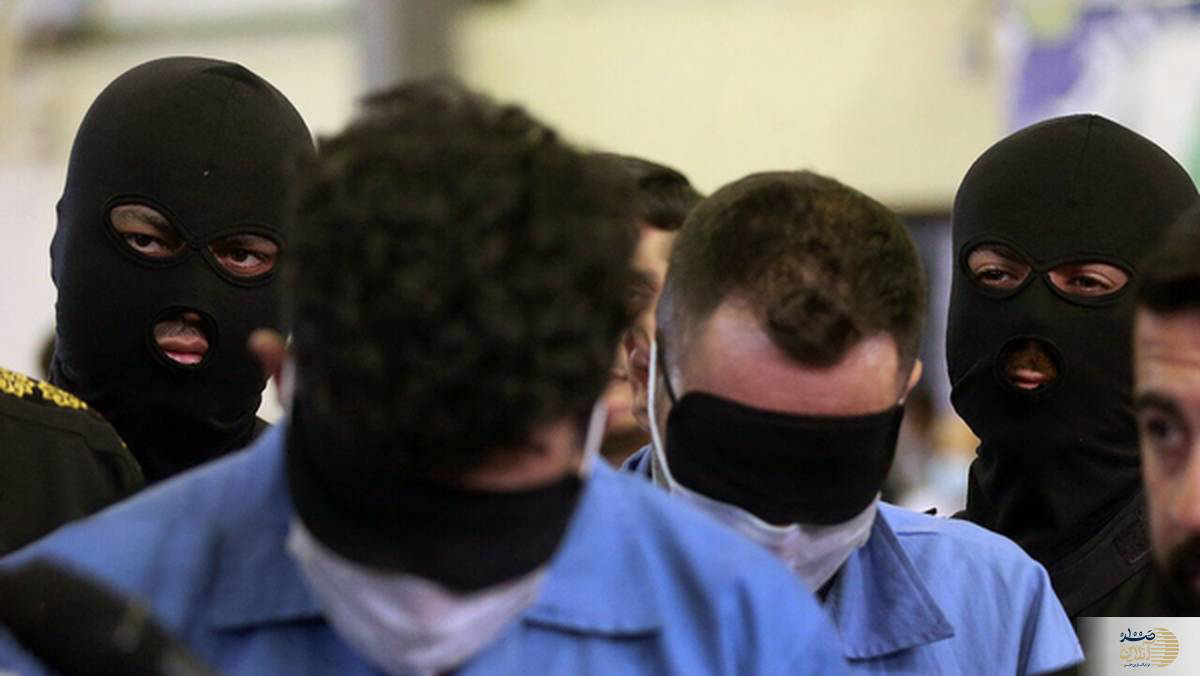
Even more telling was Iran's rapid internal control. Over 700 individuals were arrested for espionage or collaboration with Israel, and a few were executed for smuggling equipment used in assassinations.
These actions reflected Iran's belief that the war extended beyond military engagement. It was existential, targeting its sovereignty and survival.
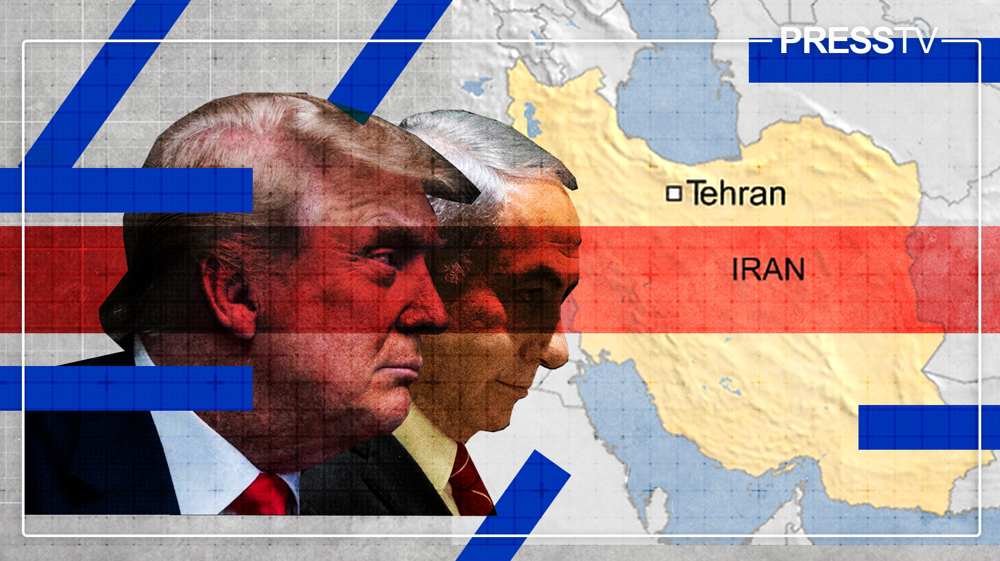
Back in Washington, Trump faced political blowback. His decision to attack Iran amid negotiation and threats to assassinate Iranian leaders alienated global partners.
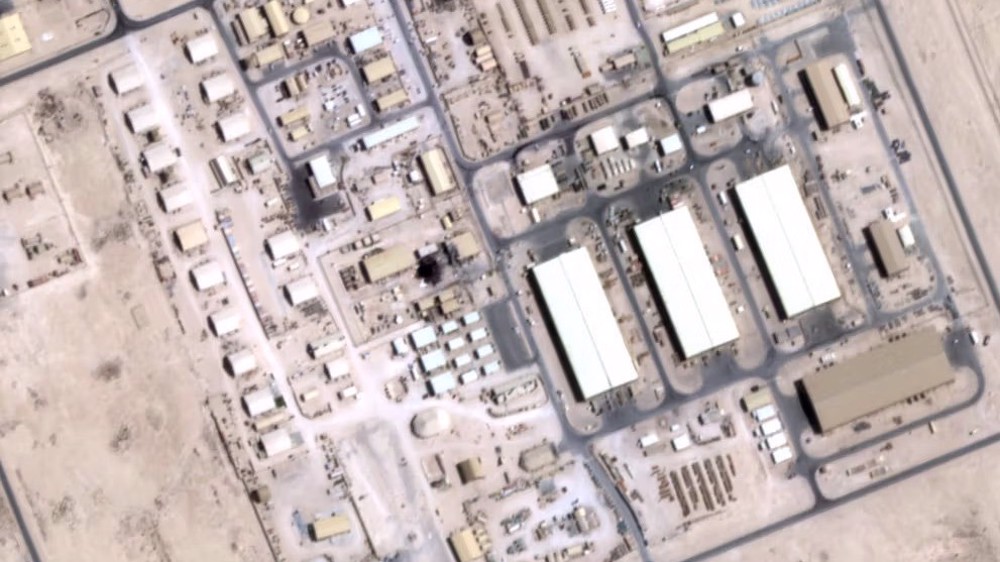
Iran's retaliatory strike on the US base in Qatar, the largest American base in West Asia, was a direct humiliation. This followed a precedent set in 2020 when Iran bombed al-Assad base in Iraq after Trump's order to assassinate general Qassem Soleimani.
Once again, American military might has been exposed as vulnerable.
Despite his bluster, Trump found himself politically cornered. His approval rating dropped to 41% with key voters questioning why he reignited conflict when his platform had promised disengagement from wars in Ukraine and Gaza.
Simultaneously, Trump attempted to soften his stance, offering prayers for Iran and hinting at a new diplomatic deal, which was a staggering reversal.
In Israel, Netanyahu claimed victory, insisting the war had achieved its objectives, decapitating Iran's nuclear program and fostering "regime change."
But both claims collapsed under close scrutiny.
The nuclear decapitation failed outright. Iran had successfully moved 400 kilograms of 60% enriched uranium from Fordow before the strikes.
The US intelligence assessment later admitted that the operation only set Iran's program back by a few months, contradicting Trump's claims of 'obliteration'.
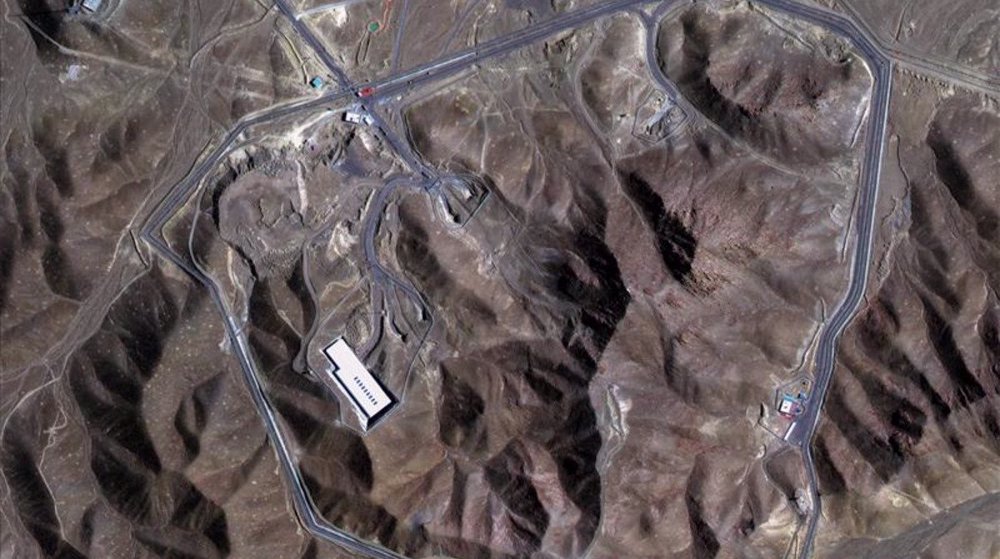
Israeli assessments claimed delays of years. Yet, with key facilities intact and materials secured, Iran retains the ability to rebuild and even accelerate its program.
Iran's withdrawal from IAEA cooperation suggests it might do just that.
Regime change? Not only did it not occur, but it also backfired spectacularly.
The assassinations, rather than demoralizing Iran's elite forces, galvanized public opinion.
Iranians found themselves siding with the IRGC out of patriotic duty as they saw a foreign war against Iran itself.
Israel's attack on Evin Prison and the IRIB building only added to the perception that this was a war to destroy the Iranian nation not to liberate it.
The war left Israel isolated, vulnerable, and, weakened in regional and global perception. The economic cost was staggering.
The Myth of Israeli invincibility shattered as Iranian missiles reached deep into its heartland. The famed anti-missile system, the Iron Dome, ran low on interceptors. The military failed to neutralize Iran's retaliation, and Netanyahu's political inmates suffered, not from lack of aggression, but from strategic failure.
In Washington. Trump's credibility took a massive hit. His erratic shift from war threats to peace offers cast doubt on any future negotiations. Allies in Europe privately distanced themselves from US policy, while regional actors in the Persian Gulf grew anxious.
Trump did not unite the world behind Israel, if anything; his reckless approach widened divides and hardened opposition.
At the core of this war lies a long-standing delusion that external force can impose "regime change' in Iran or destroy its nuclear capabilities permanently.
Israel and the US have misread Iran's domestic resilience, believing that economic strain and internal dissent would translate into collapse under military pressure.
But history has repeatedly shown that Iranians unite in times of national crisis, from the Iran-Iraq war in the 1980s to the economic war and sanctions era, this latest war only reinforced that pattern.
The second failure lies in underestimating Iran's nuclear resilience. Its program is not centralized in one facility, but is widely dispersed, buried deep underground, and increasingly indigenous.
The relocation of enriched uranium ahead of the strikes showed a level of strategic foresight that eluded both Tel Aviv and Washington.
Moreover, Iran's technological capacity means that even severe damage can be repaired and often rebuilt better.
Finally, the war proved that military solutions cannot replace diplomacy; bombs cannot dismantle ideals or erase national will.
Iran's response was calculated, precise, and avoided escalation beyond what was necessary, yet it was devastating enough to shake the very foundations of Israeli and American confidence in their technological dominance.
The 12-day war between Iran and Israel, backed by the United States, exposed the limits of military power and the enduring strength of political will.
Far from collapsing, Iran emerged more powerful, internationally vindicated, domestically united and militarily validated.
Israel, on the other hand, suffered a psychological and material blow unlike anything in its modern history.
The United States, which wants a hegemon in the region, now finds itself distrusted, and its leadership are viewed as reckless and inconsistent.
As the dust settles and both sides enter a tense pause, one thing is clear, wars born of hubris rarely achieve their intended outcomes.
The pursuit of "regime change", and the dream of a nuclear free Iran, enforced by force, may have finally run their course.
What replaces it, whether diplomacy, deterrence or further confrontation, will shape the region for years to come.
Press TV’s website can also be accessed at the following alternate addresses:
https://www.presstv.ir/Detail/2025/07/17/751358/Warmongers-ran-out-of-munitions-plead-for-peace


No comments:
Post a Comment